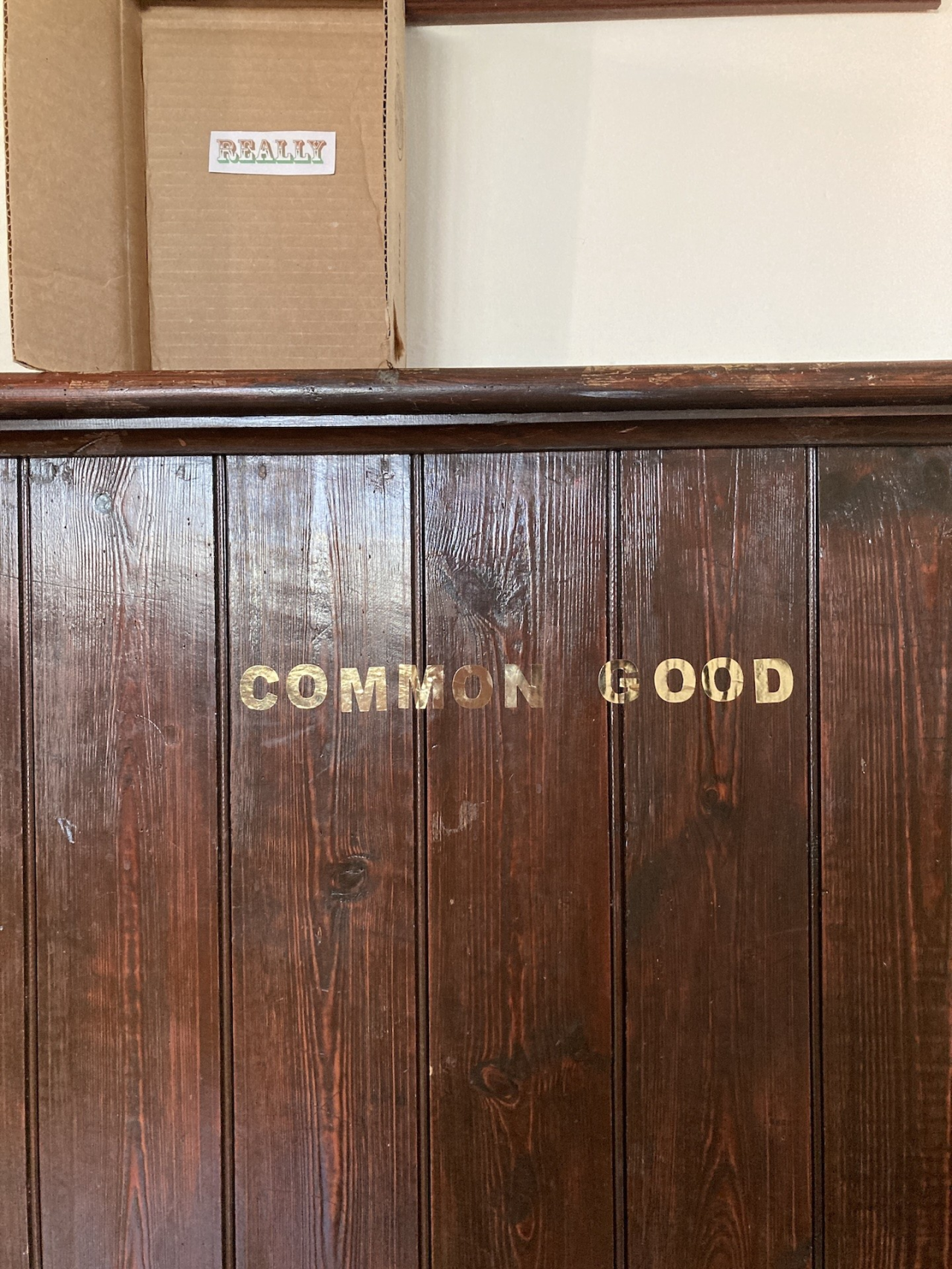
Common Good
Thu 25th Jun 2026
The Why:
The idea that became Common Good Residencies came out of a conversation. Kate Genever and I were musing on what it took to sustain an artistic and curatorial practice while living rurally, or in small urban areas, away from a recognised arts network. Geographical dispersal makes maintaining a sense of artistic community difficult, also making the practical benefits of skill sharing, collaboration and mutual support harder to manage. Working as a practicing artist in a rural environment can feel very isolated.
The What:
To address the problem, we devised the idea of short, low–cost residencies in locations available to those involved at which groups of artists could come together for a limited period. Common Good is about providing artists like Kate, myself and others time. The Residency brings together artists and curious thinkers into a single space for a weekend of thinking, making, socialising, learning, sharing, collaboration and repair through restorative play.
Each Common Good turns a backwater into an artistic idyll by bringing artists together to share and grow goodness by working in companionship. The Residencies are a moment to reflect, challenge habits, step away, regroup, socialise, share skills and eat nice food. At a Common Good there are no expectations, no pre-set outcomes, no evaluation forms, no criteria, no application, no administration.
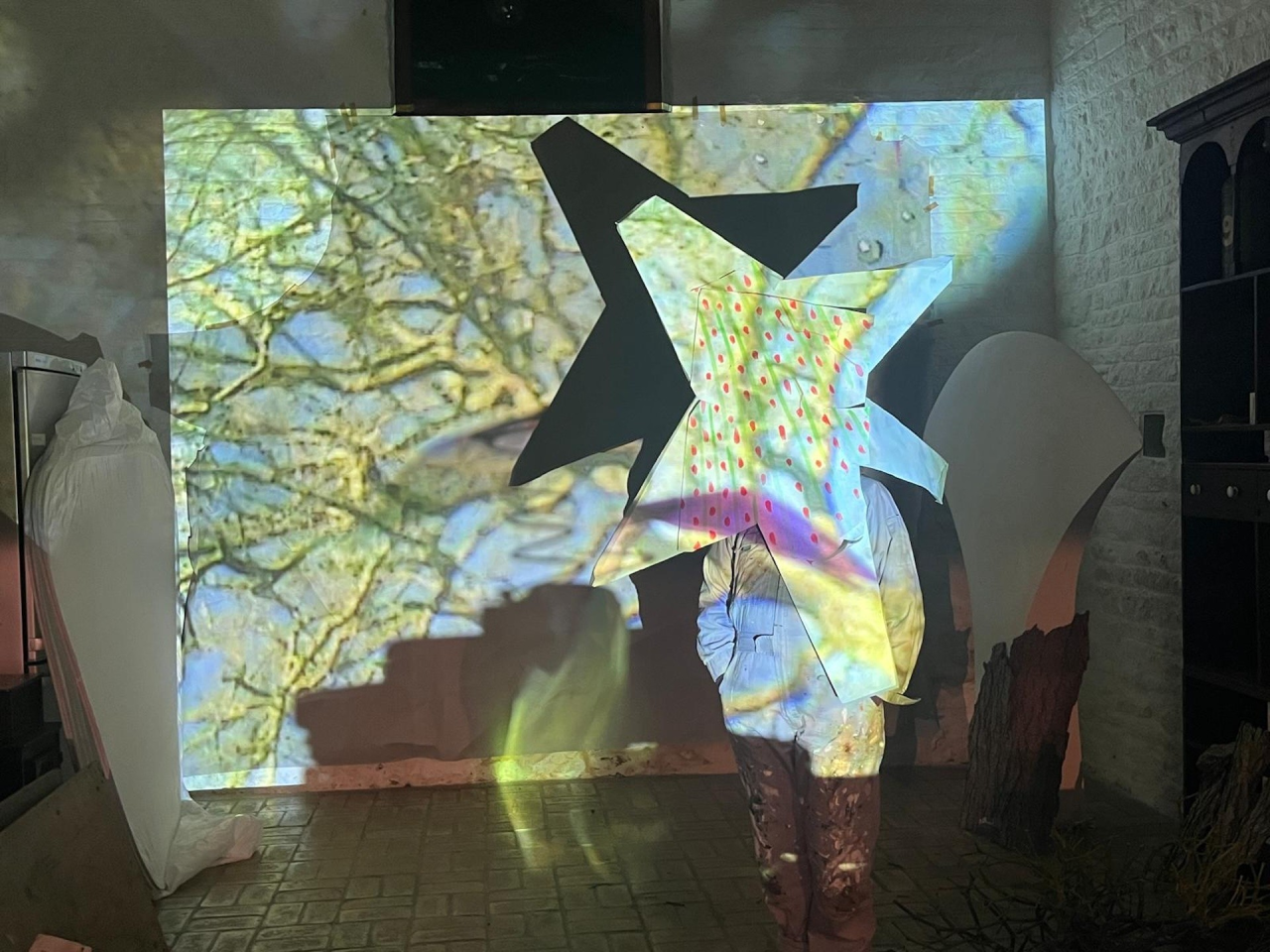
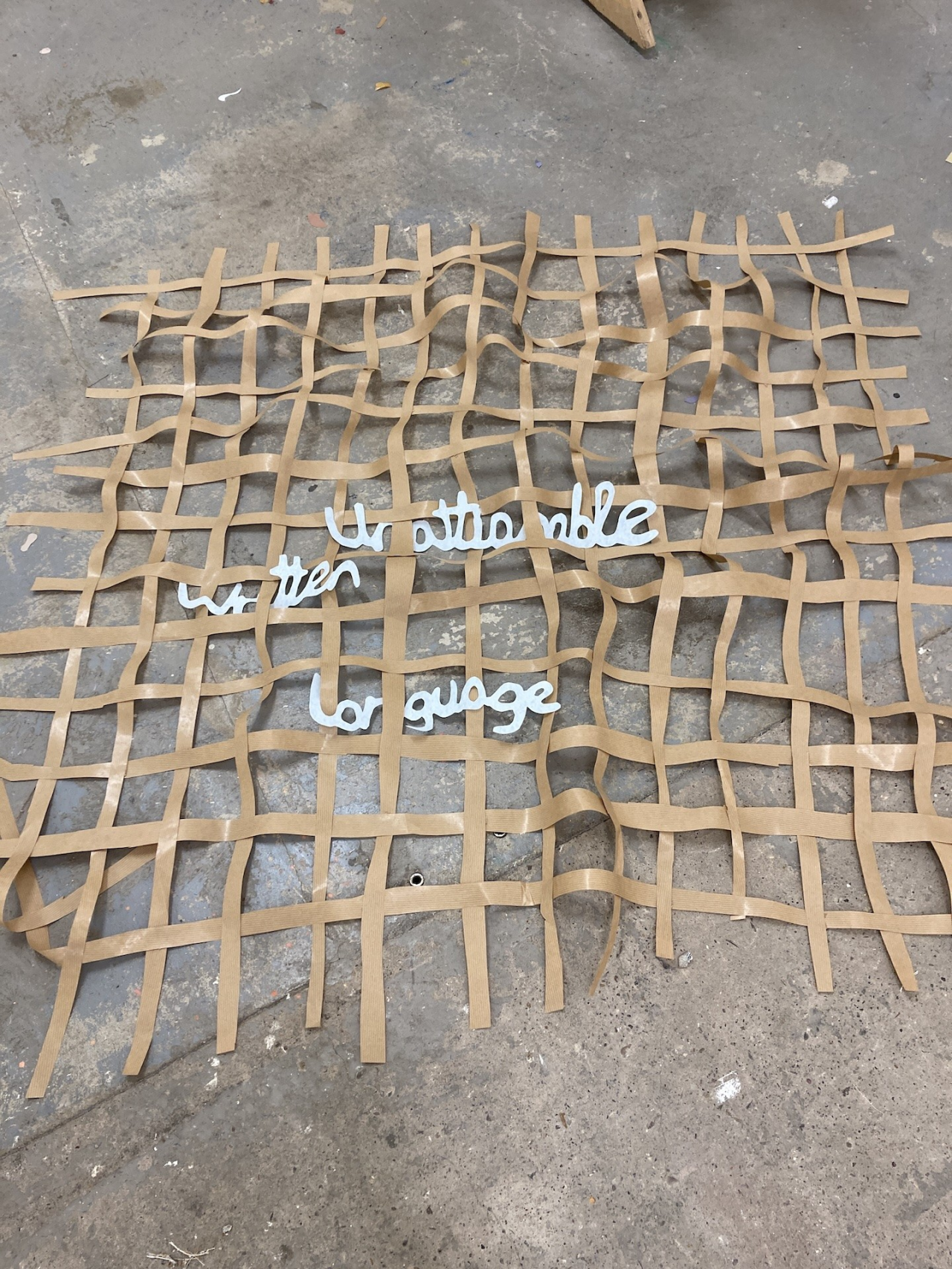
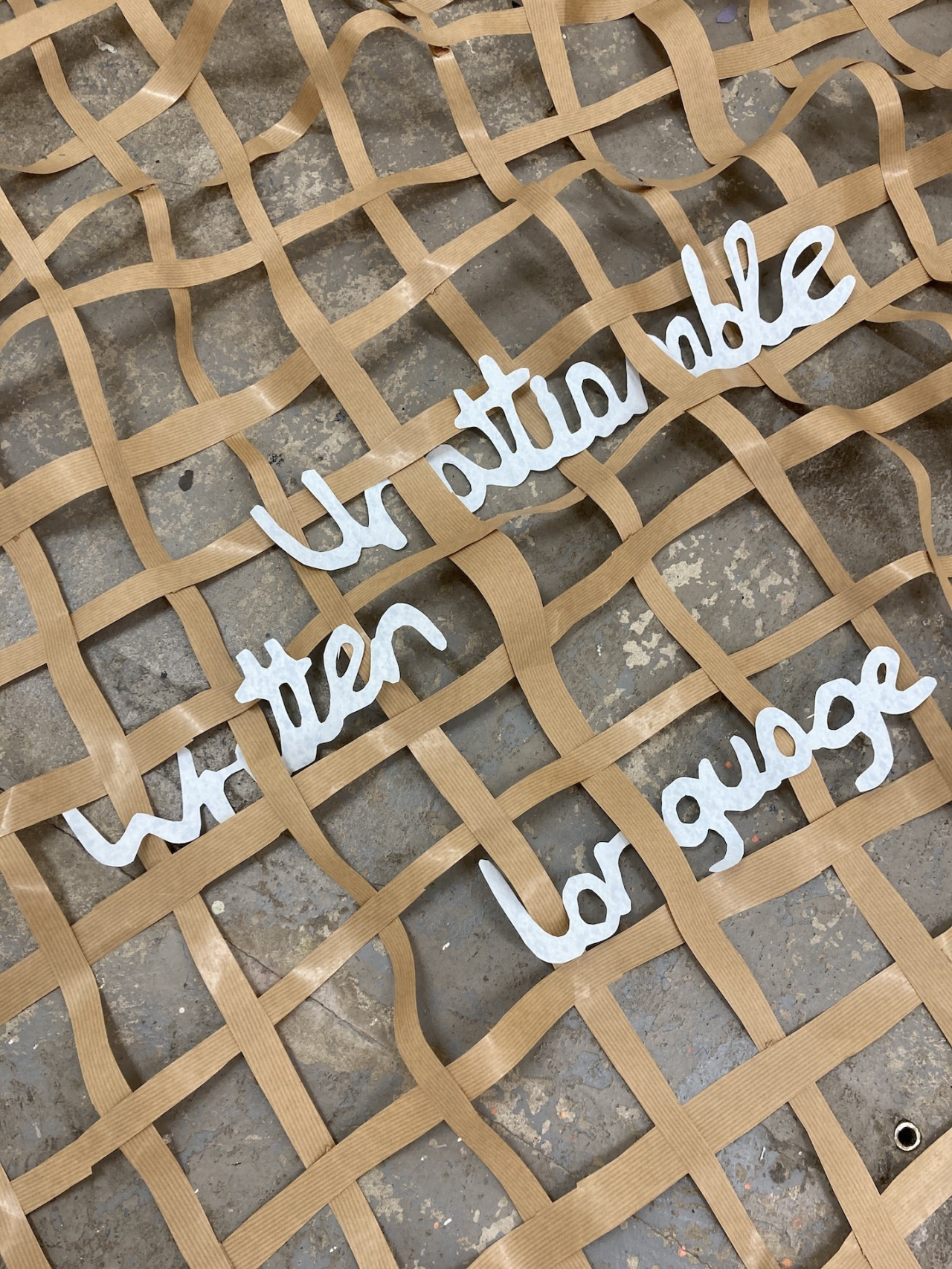
Many creative people initially struggle with idea of diverting away from current projects; studio and making time are always precious and can’t be wasted. However, though counter intuitive, this relinquishing is the reason Common Good is effective. It is giving yourself permission to reboot, allowing something unexpected to be thrown up by a different working environment, different materials, different methodologies in a different location surrounded by other artists. It is in the liminal space of the Residency that the unexpected emerges, a new thread found and explored, a new layering added to thinking. What is made over the Residency does not need to be continued, it can stand alone as a piece of making that goes no further, or it can be the start of a new strand of work. Common Good acts as a blockage buster that finds a route by going in a different direction.
The How:
Each Common Good is held in a different location with different cohort of invited artists. There is no set number of attendees but around eight works well. It’s pretty self-selecting as you can either make the dates or you can’t.
The Residency format starts with arrival at three pm on a Friday with introductions, tea and cake, a short walk and then first shared meal. Common Good continues till Sunday around two pm. Sunday lunch is last meal after which there is a clear up and conversion of the making space into a showing space. The viewers are mostly those on the Residency with the odd passer-by and any locally based family and friends. This marks the end of the Residency and forms a nice moment to reflect on of 50 hours of intense but productive time. Departures start around five, but there is always a reluctance to leave the bubble and return to normal routines.
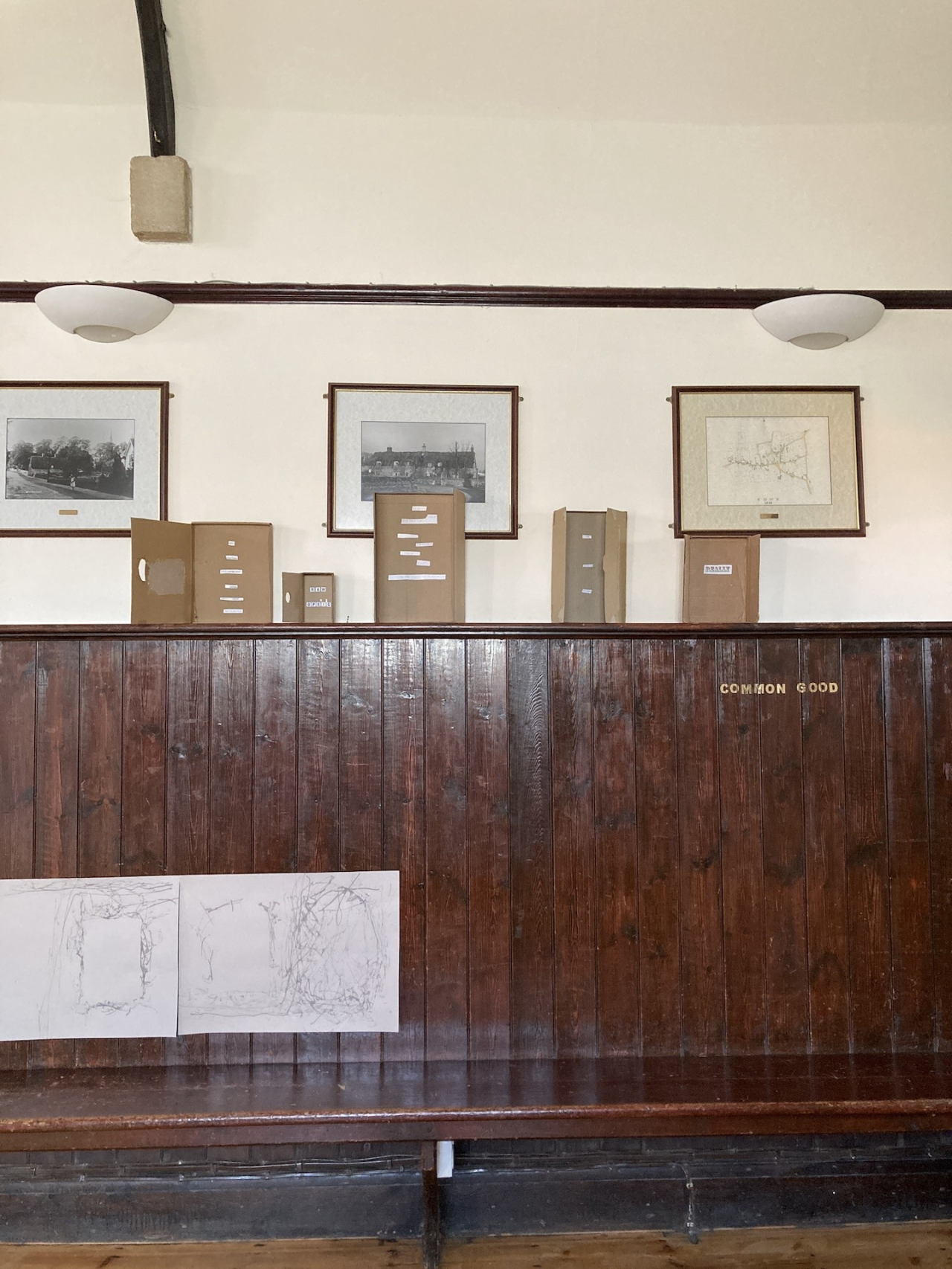
Common Good occupies unusual spaces with rooms large enough to allow group making and shared meals. Space is important; the temporary Common Good room offers a new perspective, different from the artist’s usual studio or home space.
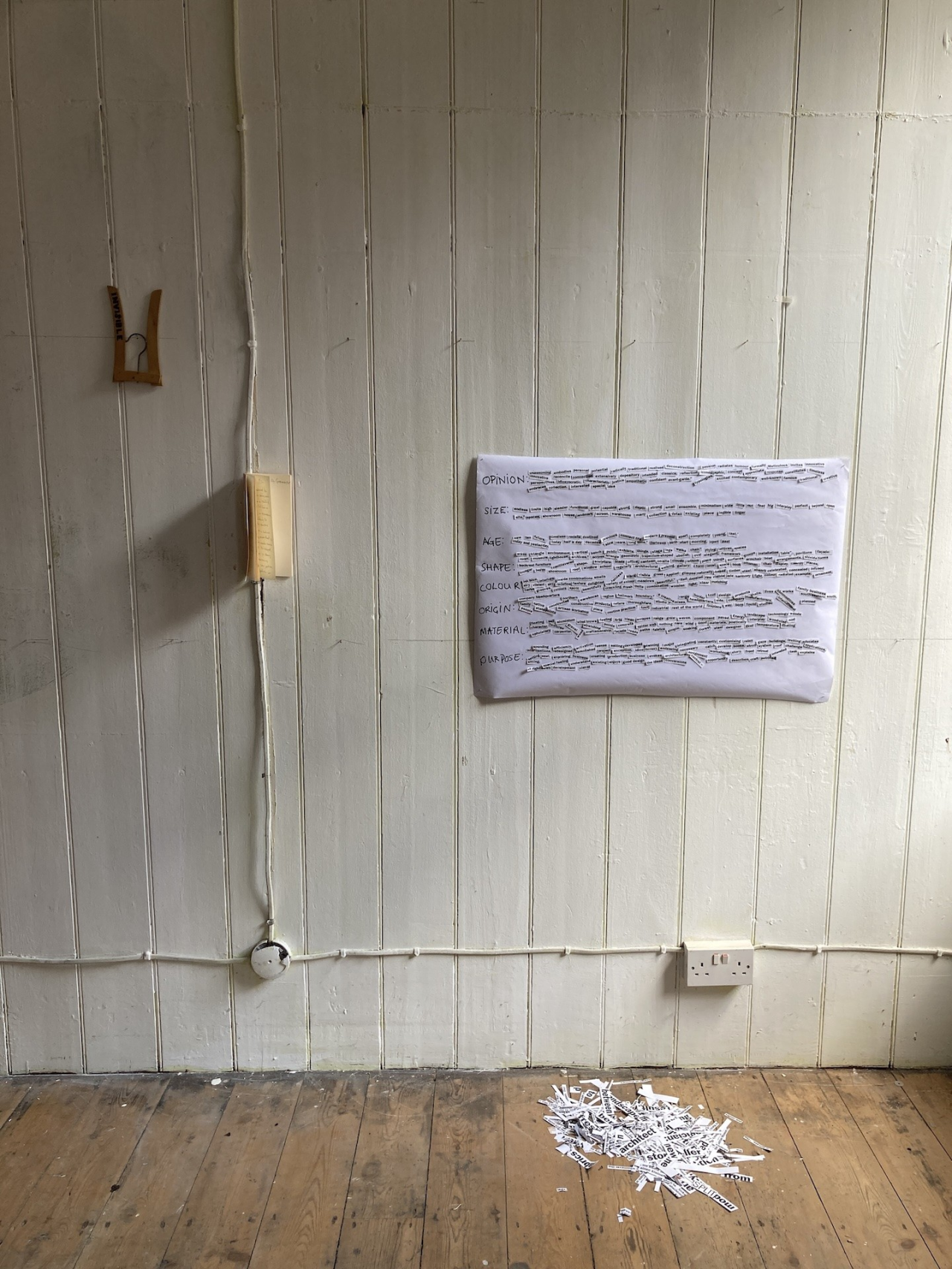
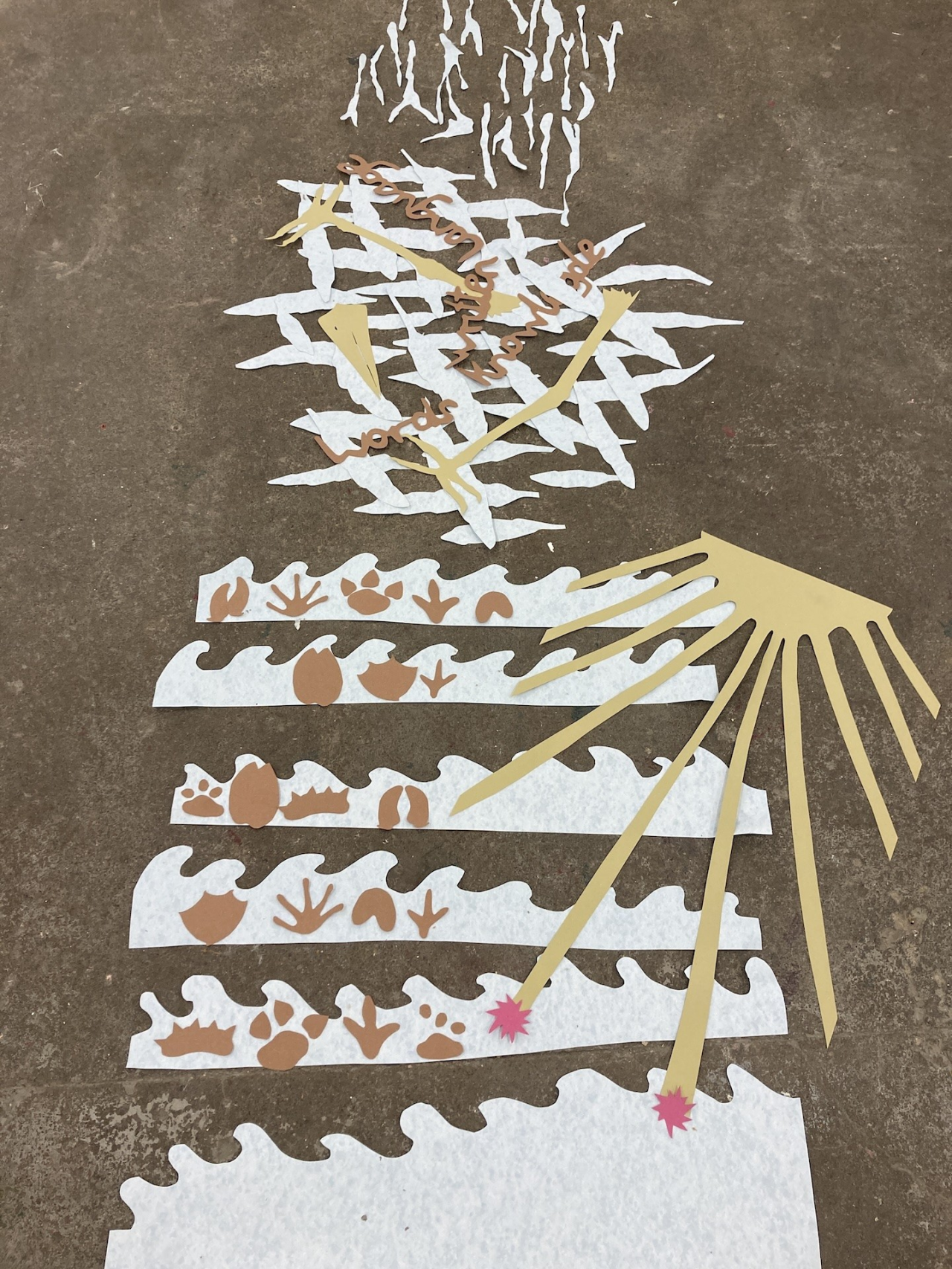
Participants are encouraged to be aware of and think about the building in which the residency is taking place, the surrounding landscape, the geographical location and history. The location acts in some way as a subject. For this reason, the first cup of tea and chat is followed by a walk to explore the locality.
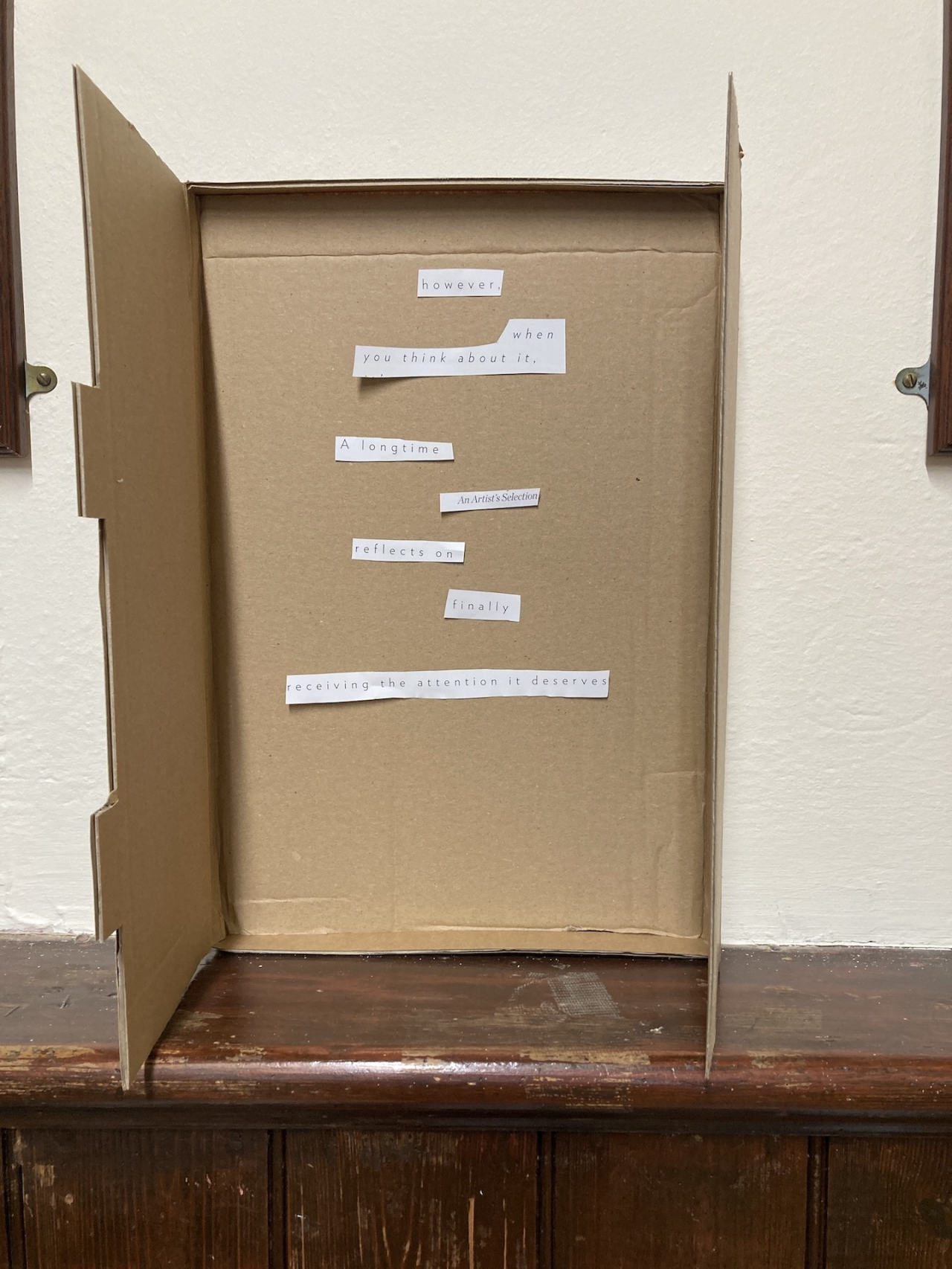
For each Common Good a short text is selected and shared in advance. The text acts as a prompt to the weekend’s makings and doings. How is up to the attendees. Some texts feel immediately relevant; some take on greater significance as the days of the residency progresses. Interpretations can be tight or loose. Often, they take someone off in one direction only to be abandoned, or subjected to a u-turn as the weekend progresses.
In addition to each Residency’s specific text there is overarching theme to every Common Good; the Unknown.
When I talk of unknowing, I am not talking about the refusal to know what can be known, or about the simple accident of not having found something out yet, not even, although this is warmer, about the fact that we will each absorb only a finite amount of knowledge in the course of our finite lives. Instead, I am talking about a capacity to hold the position of not knowing yet - possibly of not knowing ever. Emily Ogden
Everyone is encouraged to embrace the Unknown as a positive force, to focus on the now, the here, abandoning all expectations, whether these are actual or self-imposed. It functions as a provocation to be in and held by the Unknown.
Questions arise: What does it mean to know or unknow? How does one remain in a place of unknown? The process of trying and remaining in the Unknown can throw up a lot of emotions. Being released from need to do anything specific, to deliver or present something complete can however be liberating. Working from a place of ‘un-knowing’ is powerful, and a counterpoint to usual position of doing something similar, or an adjunct to something previously done or pertaining to our specific knowledge and Knowns.
Another important element of the residency is the catering. Everyone contributes and all meals are shared. This communal aspect of the residency is imperative to the way the Residency functions. The everyday acts of meal and task sharing are crucial to the experience of the Residency and help the group to bond in a short time.
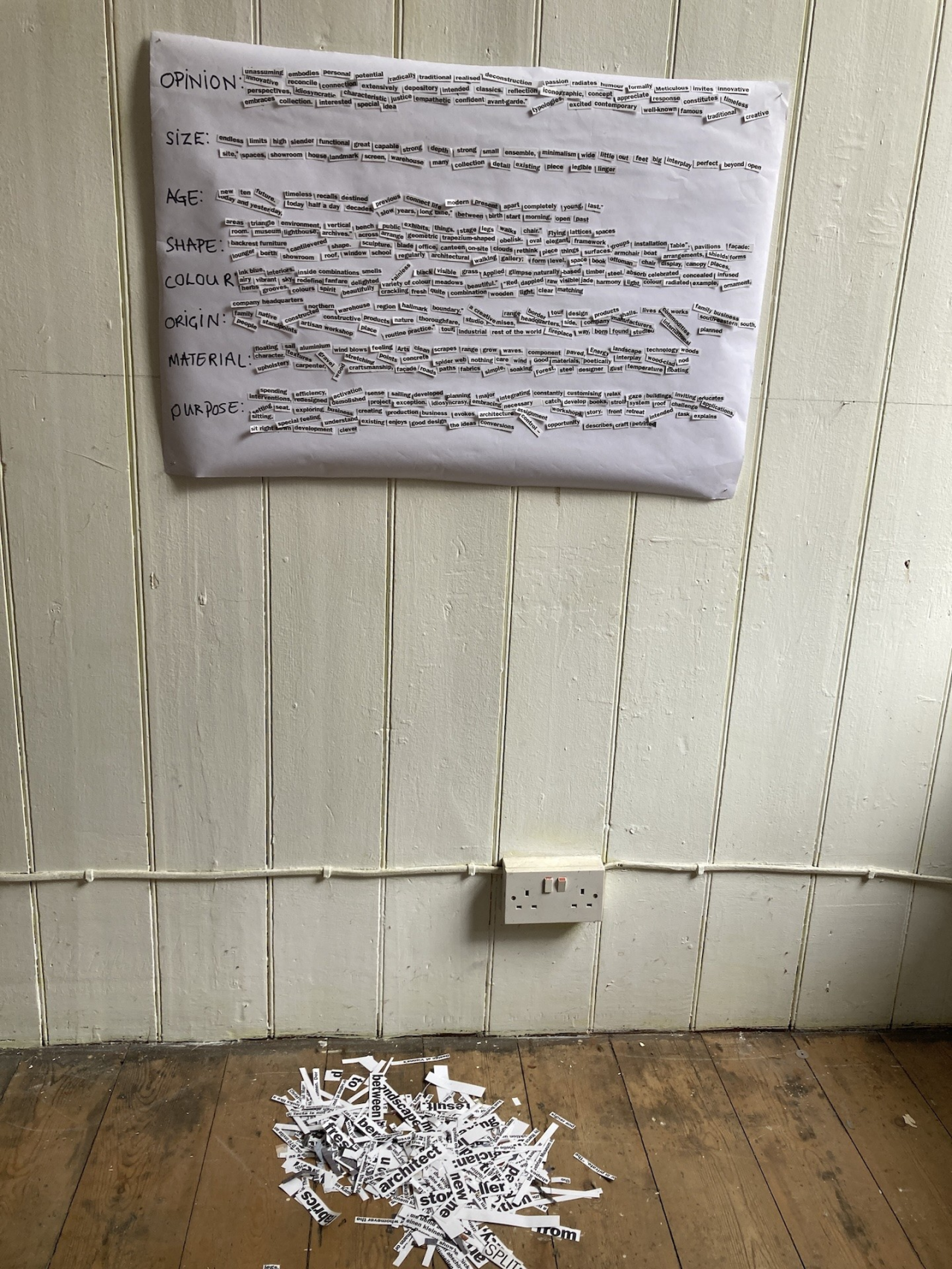
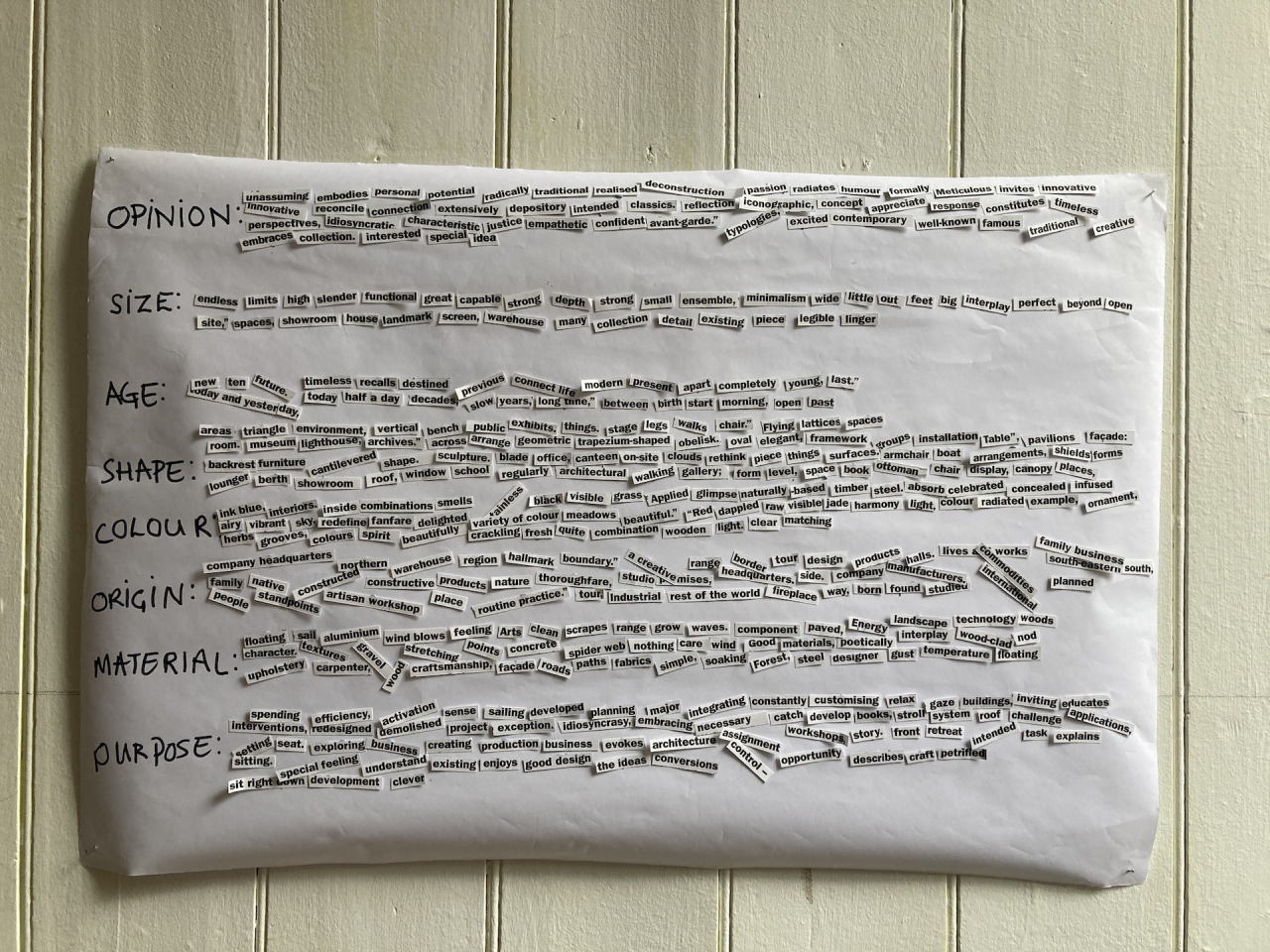
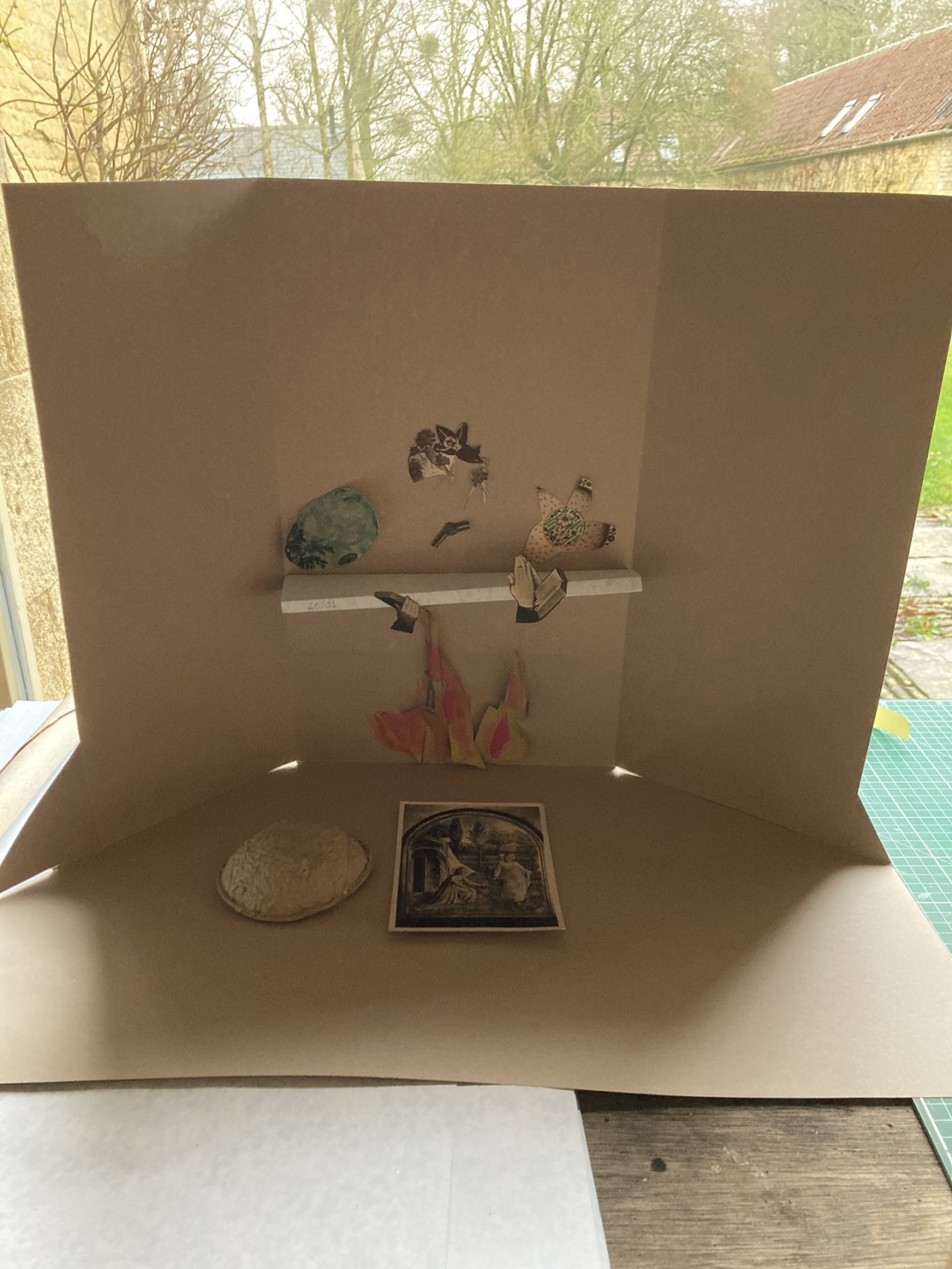
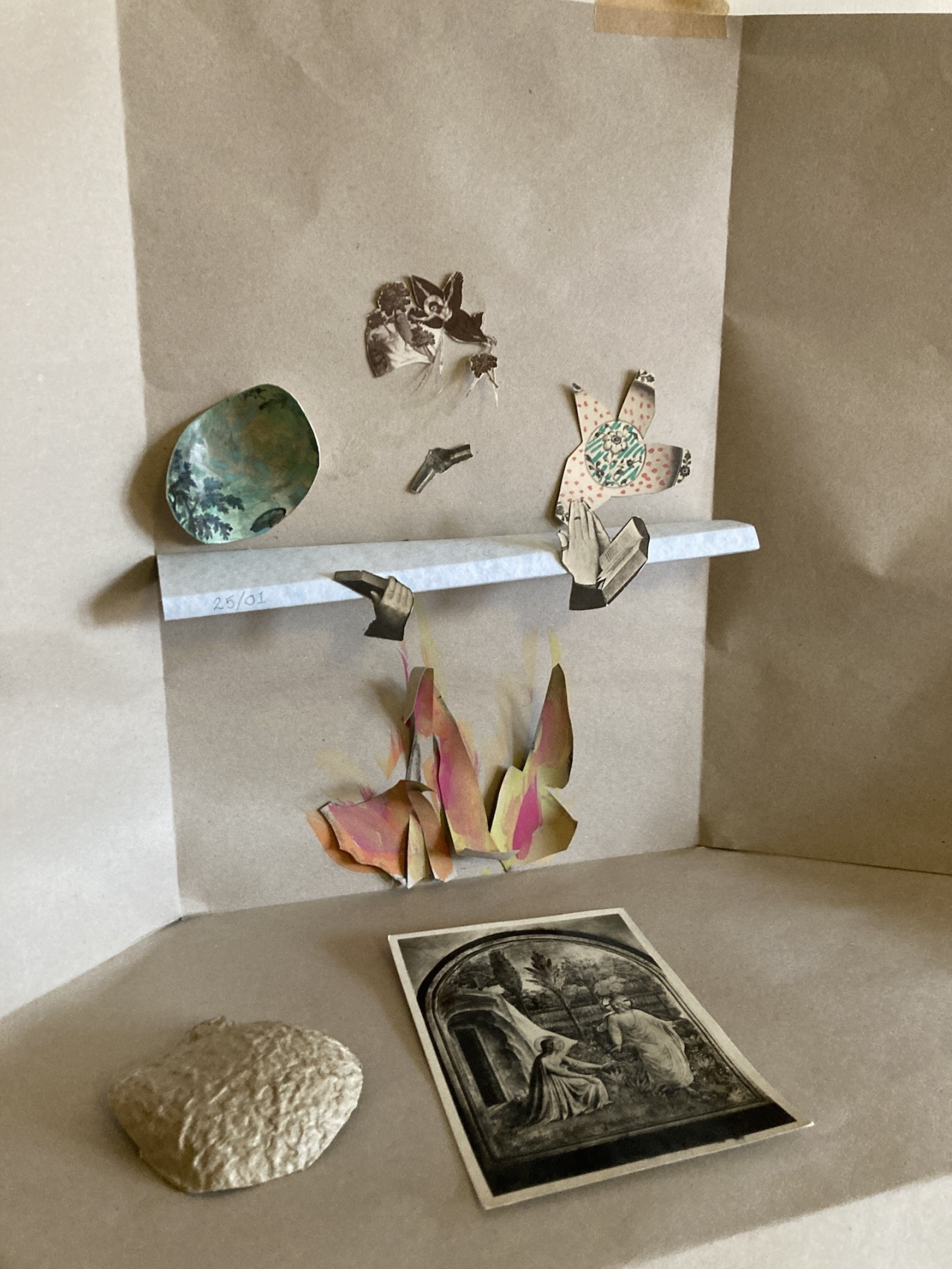
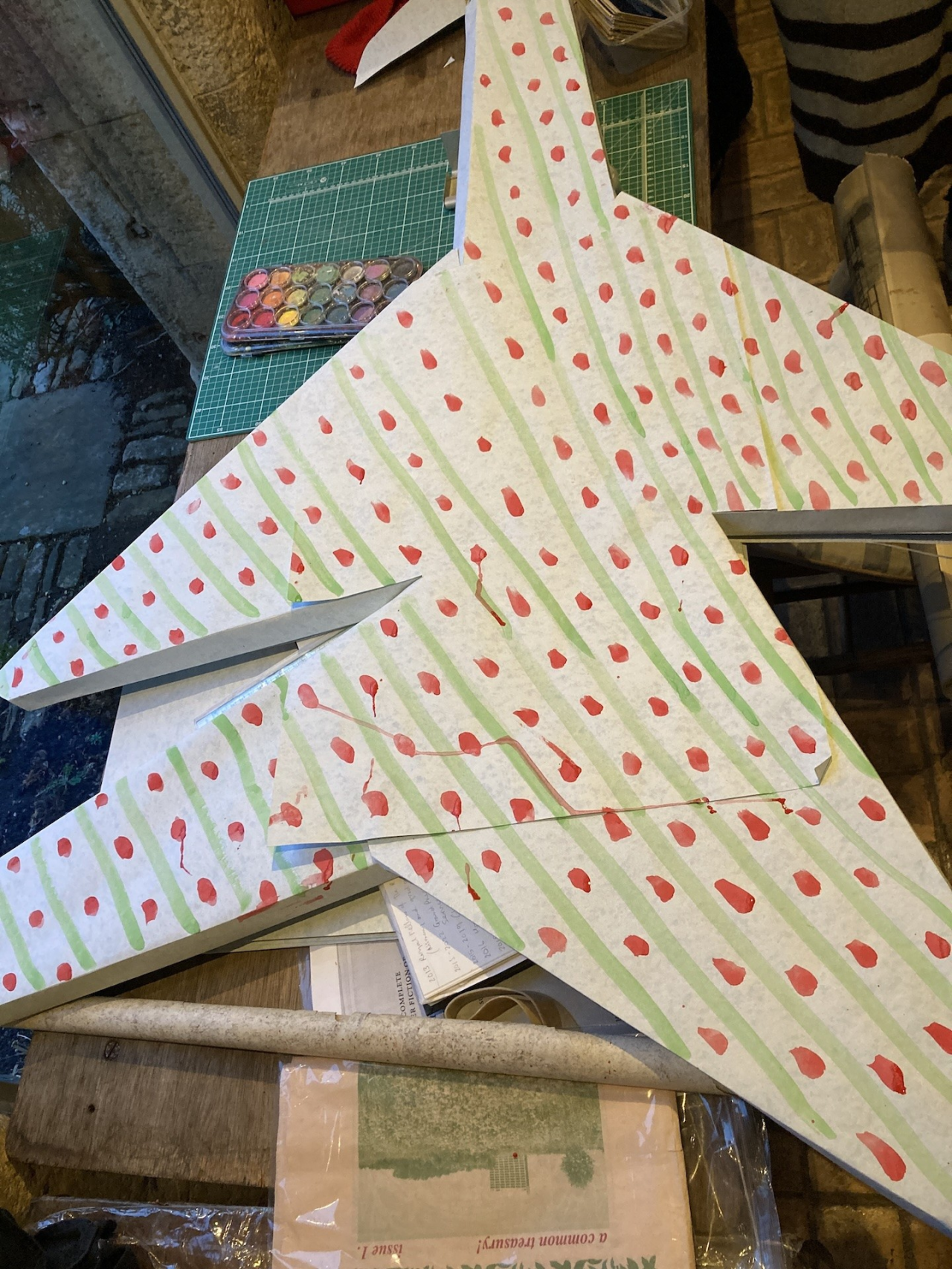
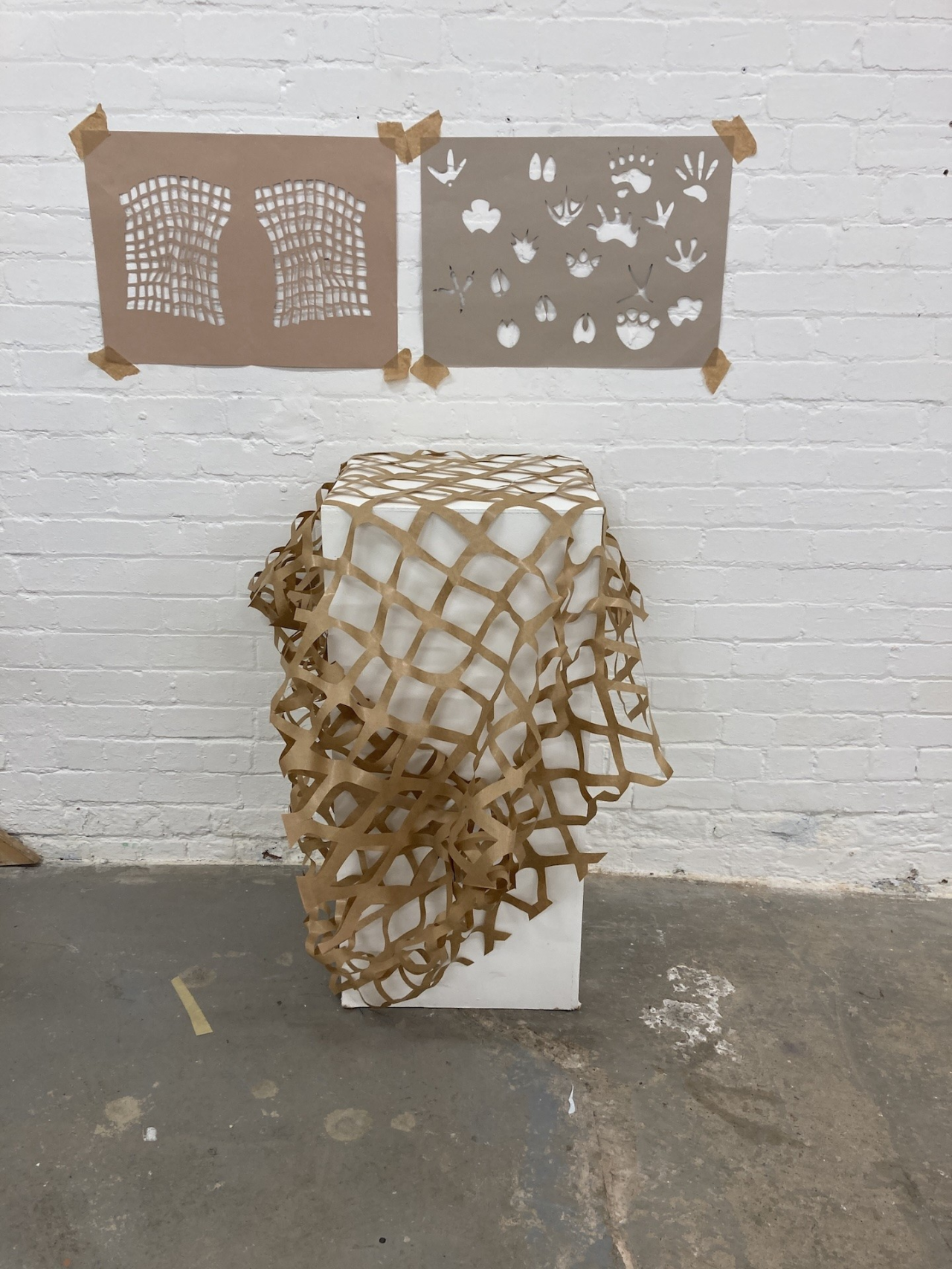
Everyone brings materials which are donated to a collective resource from which to work from. This bank of material is mixed-up, conjoined, borrowered, shared, dispersed, scavenged, salvaged, re-appropriated. Often what someone else brings is of greater interest than one’s own horde, but that’s precisely the point. Some of the material will have been sitting unused in one’s own studio but at a Common Good find new resonance in new space and different hands. Material is also scavenged from the location. Walks often provide additional finds.
And So:
Each Common Good is short and intense. There is a desire to make the most of it, not miss out on any element but also to have personal restorative time.
Before the Residency the emotions are excitement and apprehension, expectation and nervousness. Meeting new people, even spending time with those you know over a prolonged number of hours, is complex. Sharing space, food, accommodation, materials, and making alongside others feels exposing, risky. However, the time is temporary, generally a mere 50 hours – arrive, make, leave - energised.
Texts:
Text: (mostly short extract of)
On Not Knowing Emily Ogden
Limbo Dan Fox
Solid Objects Virginia Wolfe
Forms of Enchantments Writings on Art & Artists, Julia Mehretu: The Third Space Marian Warner
Location and Dates:
Uffinton Village Hall, Lincolnshire 10th, 11th, 12th May 2024
Queen Street Studios, Lough Lincolnshire 27th, 28th, 29th June 2025
The Barn, Casewick, Lincolnshire 23rd, 24th & 25th January 2026
Two Queens, Leicester 20th, 21st, 22nd, 23rd, 24th and 25th February 2026
Additionally:
Delivery of idea and format at ;
Rural Arts, Thirsk , Yorkshire 5th, 6th, 7th, July 2024
Nota Bene:
The first Common Good held in Uffington Village Hall, Lincolnshire in 2024 was made possible by the generous support of the St. Hugh’s Foundation for the Arts. Funding allowed Kate and I to trail idea and prove its value, which continues.
Our application for their Artist Response Award, 2024, spoke about rural artists finding themselves isolated, unable to access or to join a network of peers and so to receive the validation such a community brings. The geographical spread, lack of a reliable and affordable public transport infrastructure and economics necessitates the need to devise other mechanisms to generate and sustain an alternative rurally based ‘art scene’. Common Good aimed to model a way for this to evolve. To demonstrate the need and value of bringing together groups of rural artists for long weekends of mass collaboration, critical thinking and networking. The weekend in May 2024 was an invitation to make art in response to the location, with available materials and alongside others. And to have conversations on the whys, the hows and unknowns of making art in a rural context.
In 2026 St. Hugh’s Foundation celebrated 35 years of supporting, responding and investing in the creative ambition of artists living and working in the city of Hull, East Riding of Yorkshire and Lincolnshire. Our thanks go to the St. Hugh’s foundation for all the vital work they do for artists in these rural locations.